


When News Sinks: What the Titan Tragedy Tells Us About Media Integrity
- Kauthar Bassadien

- Aug 15, 2025
- 4 min read

On June 18, 2023, the tragic implosion of the Titan submersible during its descent in the North Atlantic Ocean marked a significant moment in both marine exploration and media coverage of disasters. Operated by OceanGate, a company specializing in extreme tourism, the submersible was en route to view the wreckage of the Titanic when communication was lost just one hour and forty-five minutes into its dive. The subsequent failure to resurface at the scheduled time triggered immediate concern among authorities and initiated a large-scale search operation. This incident not only raised questions about safety protocols in deep-sea tourism but also highlighted how different media outlets approach reporting on tragedies. The coverage varied widely across platforms, with traditional news organizations like CNN and BBC emphasizing factual reporting while incorporating emotional narratives from affected families, whereas social media platforms such as Twitter often devolved into sensationalism and speculation.
CNN Online (Digital News Media)
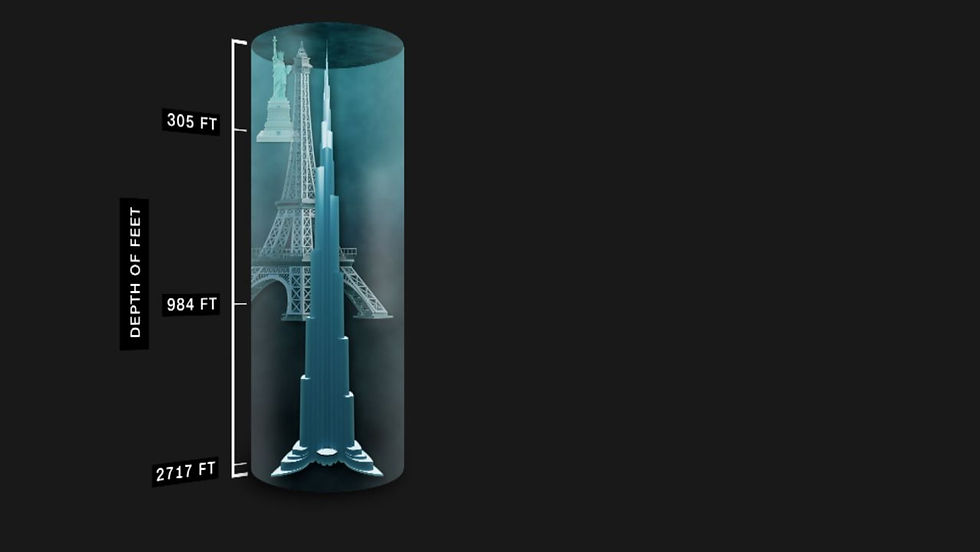
CNN's initial report (June 19, 2023) titled "Search for missing Titanic sub intensifies" provided minute-by-minute updates and described the technological details of the sub, the timeline of disappearance, and the rescue efforts. The network cited the U.S. Coast Guard and experts, maintaining factual accuracy. Later reports confirmed the implosion and identified design concerns with OceanGate’s vessel. CNN was largely objective, but its coverage leaned toward a human-interest angle by highlighting victims' wealth, which risked ethical concerns around sensationalism (Ward, 2010). Despite this, the platform maintained a fair balance of technical and emotional content, which had gained a lot of people's interest.

BBC News (Broadcast)
BBC News provided reflective, straightforward reporting, particularly in its 21 June 2023 segment. The broadcaster explained the ongoing international rescue efforts and later confirmed the implosion. The BBC remained impartial, often relying on scientific experts and avoiding speculation. It demonstrated a commitment to editorial independence, reflecting the BBC's Royal Charter mandate to be "accurate and impartial" (BBC Editorial Guidelines, 2020). It avoided sensational tones, even when public interest surged by upholding editorial integrity and fairness.

The New York Times (Print)
The New York Times, in its 22 June print edition, ran an in-depth feature: "The Silence of Titan: A Deep-Sea Tragedy". The article examined OceanGate’s engineering shortcuts and regulatory avoidance. While factually well-researched, its tone subtly suggested criticism toward OceanGate CEO Stockton Rush, who perished in the incident. The NYT demonstrated strong investigative journalism, but ethical lines blurred when speculating on corporate negligence before formal inquiries concluded. According to the Society of Professional Journalists (SPJ, 2014), journalists should “seek truth and report it” but also “minimize harm.” Early speculation risked violating the latter.
Twitter/X (Social Media)
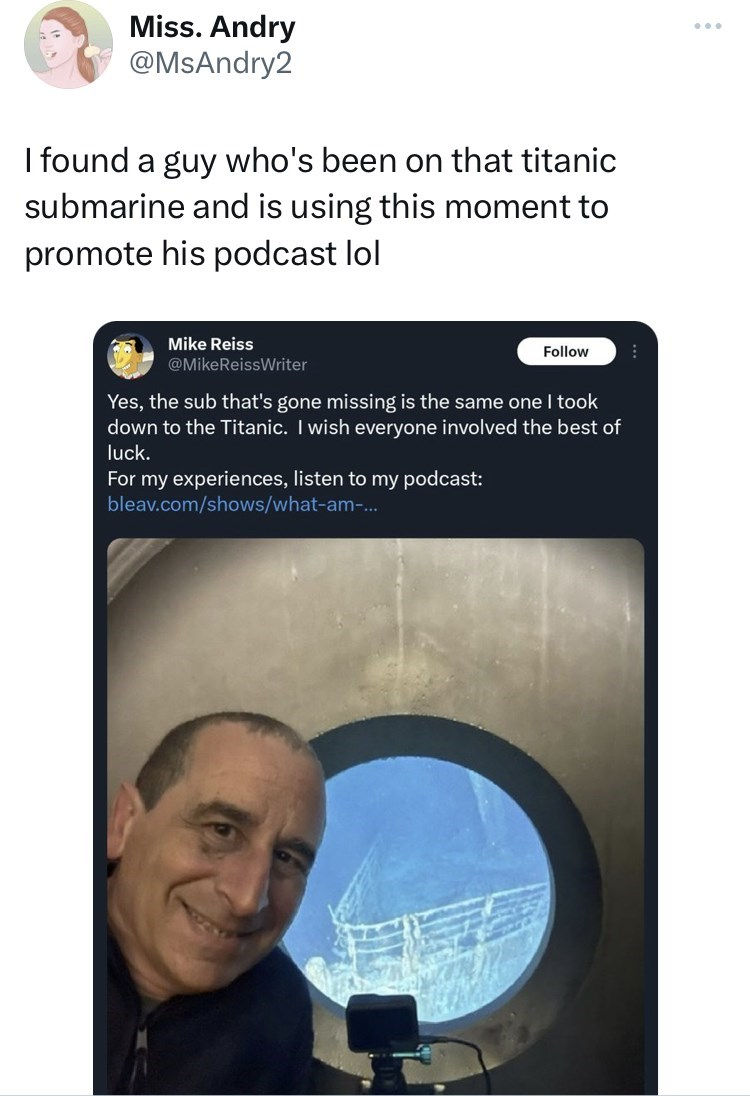
Social media, especially Twitter (now X), became a platform of viral commentary, misinformation, and memes. Posts such as “Billionaires playing Titanic, what did they expect?” garnered millions of views. While some users tried to raise awareness about underwater tourism risks, the majority content lacked factual grounding and demonstrated ethical failure, particularly respect for the deceased and impartiality. The unregulated nature of social media allowed a breakdown in ethical journalism norms, illustrating Postman’s (1985) fear that entertainment would overtake meaningful reporting.
Al Jazeera (Online/Broadcast)
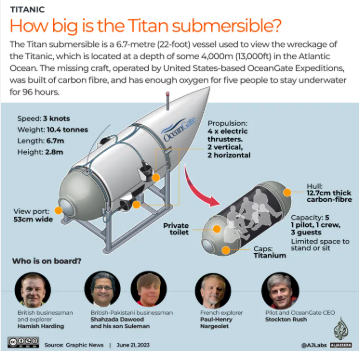
Al Jazeera English reported on the tragedy with a global perspective, covering not just the search but the geopolitics of deep-sea tourism and environmental risks. Its article "Titan Sub Tragedy Raises Ethical Questions About Deep-Sea Exploration" (June 23, 2023) presented balanced views from marine scientists and ethicists. The network avoided sensationalism, upheld objectivity, and offered deeper analysis than many Western outlets.
In reviewing these sources, several patterns emerge. Traditional broadcast and regulated print outlets (BBC, NYT, Al Jazeera) largely adhered to journalistic principles such as factual accuracy, fair reporting, and respect for privacy. Online and social media (CNN's comment sections, Twitter) revealed the challenges of ethical enforcement in a digital-first age. The titan tragedy becomes a reminder that while human interest is valid by limiting one's actions or decisions based on moral or ethical principles, especially when covering a disaster, is crucial.
The Titan submersible tragedy was not only a moment of global mourning but also a challenge for media ethics in the digital age. The diversity of coverage shifted from the professional restraint of the BBC and Al Jazeera to the speculative and often insensitive content on social media, demonstrating the widening gap between responsible journalism and reactive content creation. Traditional outlets generally maintained editorial integrity by upholding accuracy, impartiality, and empathy, though even they occasionally drifted toward sensationalism under public pressure. Platforms like Twitter highlighted the dangers of unregulated discourse, where misinformation and mockery can eclipse truth and compassion. As media consumers and future media professionals, this case serves as a reminder of the critical importance of striking a balance between public interest and ethical responsibility. In times of crisis, how a story is told matters just as much as the facts themselves. Upholding the principles of fairness, accuracy, and humanity is not optional; it is the foundation of trustworthy journalism.


Comments